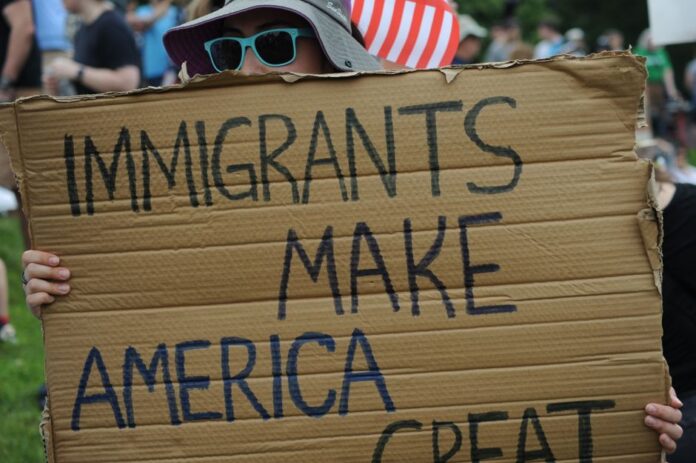

Senate Immigration Reform Bill Introduces Major Changes
The Senate has advanced a comprehensive immigration reform bill that represents one of the most significant legislative efforts to overhaul the nation’s immigration system in recent years. The proposed legislation addresses multiple facets of immigration policy, from border security to pathways for citizenship, reflecting months of bipartisan negotiations and stakeholder input.
Border Security and Enforcement Measures
The bill allocates substantial funding toward border security infrastructure and personnel. Key provisions include $20 billion in border technology investments, additional Border Patrol agents, and enhanced surveillance systems. The legislation mandates increased cooperation between federal and local law enforcement agencies to combat human trafficking and drug smuggling. These enforcement measures represent a compromise between those seeking stricter border control and those advocating for humanitarian considerations.
Pathways to Citizenship
One of the most contentious aspects of the reform addresses undocumented immigrants currently residing in the United States. The bill establishes a phased pathway to citizenship for approximately 1.5 million undocumented immigrants brought to the country as children, commonly known as Dreamers. Additionally, it creates a provisional status category for other undocumented immigrants meeting specific criteria, including consistent employment history and clean criminal records. The pathway spans 8-12 years, requiring background checks, tax compliance, and English language proficiency.
Employment Verification and Worker Protection
The legislation mandates enhanced E-Verify implementation across all employment sectors, requiring employers to confirm worker authorization status within specific timeframes. However, the bill also strengthens protections for workers by establishing penalties for employers who discriminate based on immigration status. It increases fines for employers hiring undocumented workers and requires regular audits of workplace compliance. These provisions attempt to balance business interests with worker protections.
Legal Immigration System Reforms
The Senate bill restructures the legal immigration system, shifting from a primarily family-based model toward a skills-based approach. It increases visa allocations for high-skilled workers in technology, healthcare, and engineering sectors. The legislation also modernizes the asylum process, establishing clearer standards for credible fear claims and expedited processing timelines. Priority visa categories for family members are maintained but reformed to reduce processing backlogs.
Refugee and Asylum Provisions
The bill establishes new humanitarian protections while implementing stricter security screening procedures. It increases the annual refugee admission cap to 100,000 and creates specialized processing centers for asylum applicants. However, it also introduces mandatory detention for certain categories of asylum seekers pending case decisions. The legislation attempts to balance humanitarian concerns with national security considerations through enhanced background vetting procedures.
Economic and Fiscal Impact
Supporters argue the reform will generate economic benefits through increased tax revenue from newly legalized workers and reduced enforcement costs. The Congressional Budget Office estimates the bill could add $2 trillion to GDP over two decades. However, critics contend it may strain public services in communities with large immigrant populations. The legislation includes provisions directing immigration fee revenue toward border communities to address infrastructure and social service needs.
Implementation and Transition Period
The bill establishes a five-year implementation period with phased rollout of various provisions. Federal agencies must hire additional personnel and establish new processing centers within specific timeframes. The legislation includes oversight mechanisms requiring quarterly reporting to Congress on implementation progress. Stakeholders from various sectors will participate in implementation advisory committees ensuring practical application of new rules.
Key Controversies and Compromises
The bill reflects significant compromises between progressive and conservative factions. Republicans secured enhanced enforcement measures and skills-based immigration preferences, while Democrats gained pathways to citizenship and humanitarian provisions. Environmental and labor groups disagreed on certain aspects, particularly regarding visa allocation for agricultural workers. The final version represents the middle ground acceptable to the majority required for Senate passage.
International Relations Implications
The legislation affects U.S. relations with neighboring countries and asylum source nations. It includes provisions for regional processing centers in Central America and Mexico, coordinating with those governments on migration management. Enhanced cooperation agreements with other nations address human trafficking and irregular migration patterns. These international components reflect recognition that immigration reform requires regional coordination.
Frequently Asked Questions
Who qualifies for the citizenship pathway under this bill? Undocumented immigrants with consistent U.S. employment, clean criminal records, tax compliance, and English proficiency generally qualify. Dreamers and certain humanitarian cases receive expedited processing. Each applicant must pass background security checks and meet specific residency requirements.
How does this bill affect employers and businesses? Employers must implement E-Verify system compliance within designated timeframes with increased penalties for violations. However, the skills-based immigration provisions expand access to workers in critical sectors. Small businesses receive implementation support and extended compliance timelines compared to larger employers.
What happens to undocumented immigrants who don’t qualify for pathways? Those not meeting citizenship pathway criteria may qualify for provisional legal status with work authorization. Others remain subject to existing enforcement procedures. The bill prioritizes enforcement against employers hiring non-compliant workers rather than increased deportations.