
Inflation Rate Impact on Consumer Spending
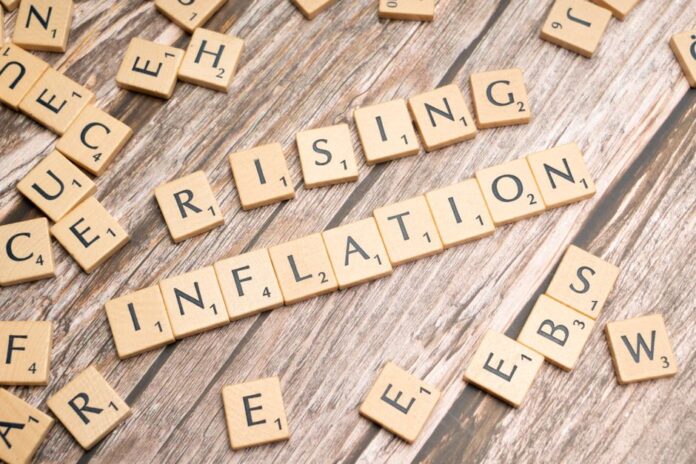
Inflation has become a central concern for households across the nation, fundamentally altering how consumers approach their purchasing decisions and financial planning. As prices rise across essential categories like groceries, housing, and energy, families are forced to reassess their spending patterns and prioritize their needs more carefully than ever before.
When inflation rates climb, the purchasing power of each dollar decreases significantly. This means that the same amount of money buys less than it did previously, creating a direct squeeze on consumer budgets. The Federal Reserve has been monitoring inflation closely, implementing various monetary policies to try to bring rates back to their target of around 2%. However, the lag between policy changes and economic impact means consumers continue to feel the effects of elevated inflation rates in their daily lives.
How Consumers Are Adjusting Their Spending
Economic data shows that consumers are making deliberate changes to their purchasing behavior in response to inflation. Many households have shifted toward buying store-brand products instead of premium brands, reducing discretionary spending on entertainment and dining out, and delaying major purchases like vehicles and homes. This behavioral shift reflects a broader economic reality where savings rates have increased as consumers prioritize financial security over consumption.
Credit card usage patterns have also changed dramatically. While some consumers have increased debt to maintain their lifestyle, others have tightened their belts considerably. The psychological impact of inflation cannot be underestimated, as uncertainty about future prices encourages people to be more cautious with their finances. Younger consumers entering the job market face particular challenges, as inflation combined with student loan debt limits their ability to build wealth and make significant purchases.
Impact on Different Economic Sectors
Inflation affects various industries differently, creating winners and losers in the consumer spending landscape. Grocery stores and discount retailers have seen increased traffic as consumers seek value, while luxury goods retailers have experienced declining sales. The restaurant industry faces particular challenges, as both rising food costs and reduced consumer dining out frequency threaten profitability.
Housing remains one of the most impacted sectors, with inflation contributing to higher mortgage rates and increased home prices. This has made homeownership increasingly difficult for first-time buyers and has forced renters to seek more affordable housing options, changing the geographic distribution of consumer spending patterns across the country.
Long-Term Economic Consequences
The sustained impact of inflation on consumer spending has broader implications for economic growth. Reduced consumer spending typically leads to slower GDP growth, as consumer expenditure accounts for approximately 70% of the U.S. economy. Businesses respond to lower demand by reducing production, hiring fewer workers, and investing less in expansion, creating a potential cycle that could lead to economic slowdown or recession.
Additionally, inflation erodes savings accumulated over time, particularly affecting retirees living on fixed incomes. This demographic faces severe challenges as their savings lose purchasing power without corresponding increases in income. Government assistance programs become increasingly strained as more people seek help to afford basic necessities.
Consumer Confidence and Future Outlook
Consumer confidence indices have fluctuated significantly throughout the inflationary period. These measures are crucial indicators of future spending behavior, as consumer sentiment directly influences purchasing decisions. When people feel optimistic about the economy and their personal financial situation, they spend more freely. Conversely, pessimism leads to reduced spending and increased savings.
Looking ahead, economists remain divided on inflation’s trajectory. Some predict that aggressive interest rate increases will successfully cool inflation, returning to more normal levels within the next year or two. Others warn that inflation could remain stubbornly elevated, requiring sustained economic discipline that may result in higher unemployment and slower growth.
Strategies for Managing Inflation Impact
Financial experts recommend several strategies for consumers dealing with inflation. Creating a detailed budget helps identify areas where spending can be reduced without sacrificing essential needs. Investing in inflation-protected securities or assets that historically outpace inflation can help preserve wealth. Negotiating higher wages or seeking better employment opportunities becomes increasingly important in an inflationary environment where raises must exceed inflation rates to represent real income growth.
Understanding inflation’s impact on consumer spending is essential for making informed financial decisions. As households navigate this challenging economic period, prudent financial planning and awareness of spending patterns become increasingly critical.
Frequently Asked Questions
Q: How does inflation directly affect my purchasing power?
A: Inflation reduces purchasing power by making goods and services more expensive. If inflation is 5% annually, your $100 buys only about $95 worth of goods compared to the previous year, effectively reducing your standard of living unless income increases proportionally.
Q: What spending categories are most affected by inflation?
A: Essential categories like groceries, energy, housing, and healthcare typically see significant price increases during inflationary periods. These necessities consume larger portions of household budgets, leaving less discretionary income for entertainment, travel, and luxury items.
Q: What can I do to protect my finances from inflation?
A: Consider diversifying investments, purchasing inflation-protected securities, negotiating higher wages, reducing fixed-rate debt, and building an emergency fund. Additionally, spending wisely and avoiding unnecessary debt helps maintain financial stability during inflationary periods.